Showing posts with label plastic. Show all posts

Sunday, February 18, 2024

Favorite Things!

It's been a while since I've made a blog with my favorite things. The world has changed. Brands have come and gone. I've discovered new products to love. So... what do I love right now? 

Culina Dairy-Free Yogurt!


I've only ever seen it at Whole Foods and Natural Grocers, but I know some small local organic markets carry it too.

I don't really need to be eating any yogurt on my diet, but I need an occasional treat! I can't have any dairy, and most non-dairy yogurts are not good because they're mostly starch and sugar, and I think it creates a bad texture anyway. There is only one single brand I've been impressed with, and that's Culina. They don't use starch, they ferment the coconut with agar. Agar is from seaweed and is rich with fiber, which I love. They sweeten with maple syrup, a nutrient-dense whole food. It's the only non-dairy yogurt I have found that is not junk food. It's so creamy and thick too!! It has the same texture as dairy yogurt! 

The mango flavor I'm looking at right now has 10g of sugar and 15g of carbs, but the others favors have 7 or 8 grams of sugar. All the flavors contain 5 grams of fiber. The net carbs are lower than most non-dairy yogurts, so I eat it as a treat on occasion. 

But the Plain and Simple flavor has 0 g of sugar and 4 carbs, with 5 g of fiber! So I like to buy a tub of it and make small smoothies with it. I add protein powder, allulose, and marshmallow root... along with a few berries and unsweetened cacao. Sometimes I'll use frozen avocado instead. I'll thin it with coconut milk or water. It's great! It's low in sugar, although it has some carbs, but it's a treat! I should probably add fiber to it too. 

I really want to try making something new with it next, like tzatziki! It has the perfect texture for it, unlike most non-dairy yogurts. 


Hippo Sak (Plant-Based) Trash Bags!


Trash bags. They're required where I live. Avoiding plastic is really important to me, and going zero-waste is not easy (or even possible in some situations.) You'll see me recommending products that come in plastic, but when there's an alternative choice that's good, I'm going to choose it. I've tried many non-plastic trash bags before, and they almost all don't work. They're designed to biodegrade too quickly, they rip too easily, they're not really the right size for the can and they don't stretch, etc. Loads of problems. But.... Hippo Sak. They figured it out. 

I'll be perfectly clear - I don't really know if they're being honest that their bags are plant-based because of how good they are. They say they are made of sugar cane, but they say they're recyclable and not compostable. It's suspicious because these bags are super durable and strong. So, even if they are made of plastic, they're the best trash bags I've ever used. They have ZERO smell (very important for MCS issues), and all plastic trash bags at least smell of plastic (and so many have fragrances added, which is so unhealthy!) 

Another bonus is that this brand is made in the USA!
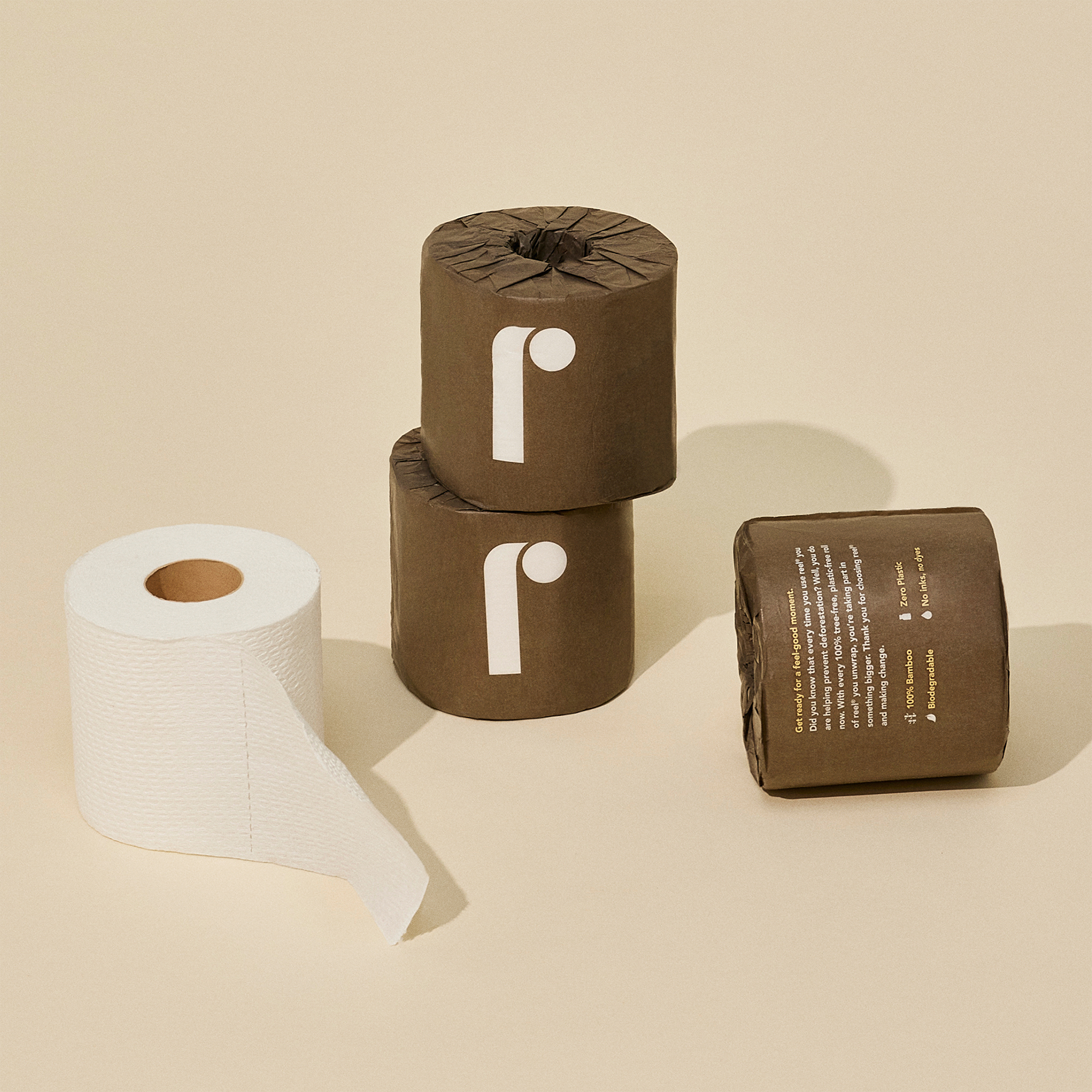

Reel Toilet Paper


I have a subscription to toilet paper. Every 12 weeks Reel sends me a box of 24 rolls. It's almost always perfect timing, and I never have to think about it. But the best part is, Reel is the best quality toilet paper I have found. I don't mean in terms of how it feels (I like it, but it's strong instead of soft), I mean in terms of how it's made. It's made from virgin bamboo, without any additives or chemicals to be concerned about. Recycled toilet paper is full of ink, plastic, perfumes, and other agents of the paper it was made from. Many brands have been tested positive for PFAS. (Read that Time article. It's important. This is not only a major problem for our healthy, but our water is seriously polluted with PFAS because of things like toiler paper.) 

Also, this toilet paper comes shipped in a box, and each roll is wrapped in paper. There's no unnecessary plastic. I've never had a box ruined by moisture. 

Want a discount? Click here: 
reelpaper.com/s?SARAHLANGER
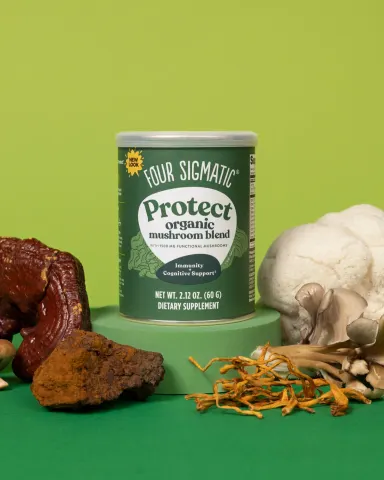


Four Sigmatic Protect

(They don't offer coupon codes for friends, sorry, but I explain how to save the most money buying this product below.)


Mushrooms are all the rage, and with good reason. They have incredible benefits! They're neuro-protective, support the immune system, help regulate hormones, improve mental clarity, help us adapt to stress... and so much more. I love this blend because it has 10 mushrooms that cover all my bases, and I feel noticeably more resilient because of this blend. I add it to my matcha every morning and I love it! I drank this every day during the pandemic, and I never got Covid. That might have more to do with my genetics (I mean really, how is it possible that I never got Covid?), but I love to say that these mushrooms really did protect me!

But why Four Sigmatic, why not other brands? Four Sigmatic is expensive! This is truly a case of "you get what you pay for." Four Sigmatic is really careful about how they grow their mushrooms, so they control the process to reduce the risk of mold, yeast, bacteria, pesticides, and other contaminates. They get 3rd party testing on every batch. They grow on logs, not on food products I'm allergic to (like some brands grow on oats.) They are certified organic too. Also, and perhaps most importantly, they use the fruiting body, not the mycelium. Cheaper brands are using the mycelium bound to grains like oats, not the fruiting bodies. The mycelium grows the mushrooms, but has not been studied. We don't have any evidence that the mycelium offers any of the same benefits as the fruiting bodies. I love Four Sigmatic's high standards!

The trick to making Four Sigmatic affordable is to subscribe to a bundle. So every 3 months they send me my Protect blend, and it comes out to $21 per bottle (and I use one bottle per month.) It's usually around $24 per bottle in stores. Once you have a subscription, you can add other products to each delivery without needing to subscribe to those products too. So when they come out with a product I want to try, I order it once along with my subscription. I get the subscription discount that way too. If I don't want to buy it again, I don't need to. 

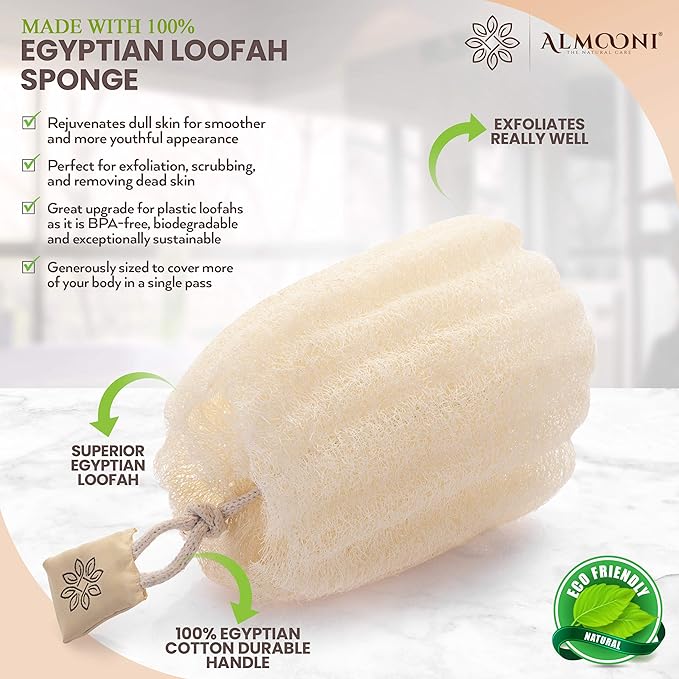
Almooni Loofahs
Check it out on Amazon


I love real natural loofahs (as in, the plant, not the plastic net balls.) No plastic, because they're plants! They're gently exfoliating. They lather my soap well. They get me clean. They're antibacterial because they breathe so well. But what I love most about them is the sensory experience on my skin. I can rub it against my skin in the shower and feel like I'm gently scratching without breaking my skin or causing irritation. It's so warming to me, because I can rub and rub and get blood to the area, which gives me a lot of relief. This might sound really strange people with good circulation. 

This particular brand is my favorite because they're so carefully crafted. They are extra careful to remove all the seeds, unlike other brands I've tried. They offer options with a cotton backing and a strap, which are so comfortable to use in the shower. My favorite, however, are their giant ones. I can scratch at big areas of my skin, which is heavenly. Again, it might sound weird to those of you with good circulation. But I'm telling you... these huge loofahs are the best. 
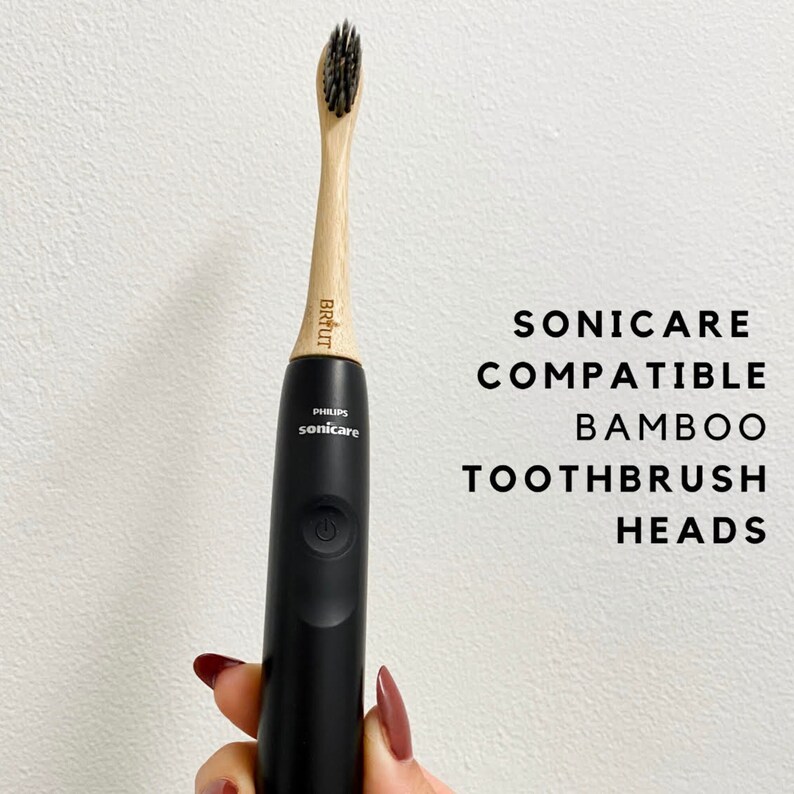


Briut Electric Toothbrush Heads


These toothbrush heads are made of bamboo with plant-based (non-plastic) bristles. The listing no longer says it and their website is down at the moment, but the bristles are made from castor oil. Yes, they actually work really well! They're soft enough to feel comfortable, but they stay stiff and actually do the job. They're supposed to last about 3 months each too, so it's very cost effective. I tend to use my brushes up a little faster because I can't seem control how much pressure I use while brushing... but hey, they get the job done, my teeth feel clean without sensitivity, and I'm saving money on a plastic-free option! 

I did buy the Briut bamboo electric toothbrush initially, but the first one didn't take a charge, so they sent me a replacement. (Amazing customer service from this small company.) The 2nd one worked well for one year, then stopped charging. At that point more reviews had come out and many people said the same thing. It's not really Briut's fault - a few brands were putting their brand names on the same exact toothbrush. The manufacturer was the issue. I discovered that I loved the electric toothbrush, so I ended up buying a more reliable Soniccare. So now I buy the toothbrush heads that fit the Soniccare, and I'm happy has a clam. 
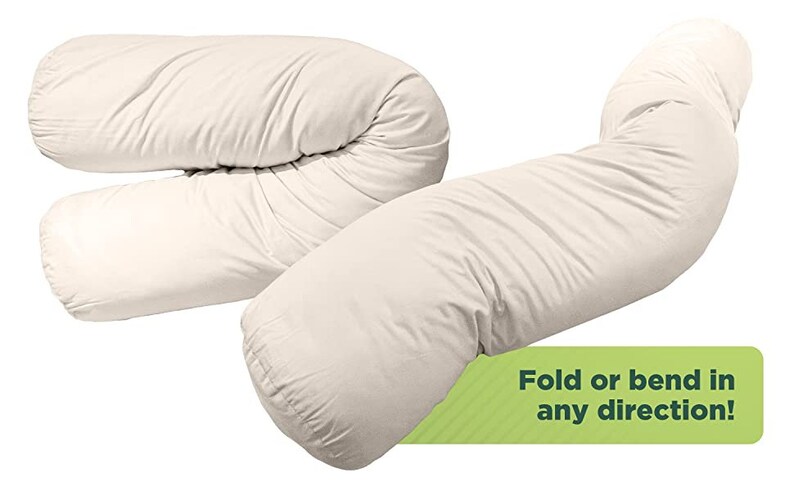


Sleeping Bean Body Pillow


This is not your average body pillow. This is a body pillow made from organic cotton and stuffed with Kapok, a plant-based organic material that never seems to go flat (I've had this pillow for at least 5 years). This pillow isn't spongey or too soft to be supportive. It molds to my shape and cradles me. This helps me a lot while I'm sleeping because it helps my legs and arms stay in a good position all night. I put the bottom between my knees and I hug the top, and my achy muscles are happy. I don't put my head on it though, I have my own latex pillow that works better. 

Also.... This pillow was extremely helpful while I was recovering from my permanent toenail removal. It kept the blankets off my foot, but I was able to keep my feet under the blankets to stay warm. Super helpful!! 
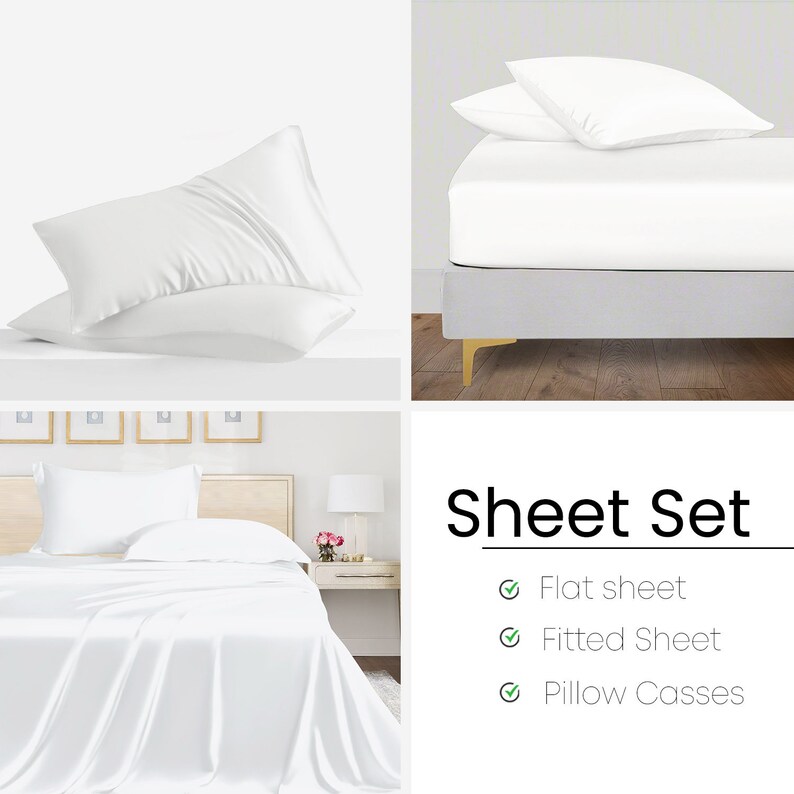

Tencel Bed Sheets

Also bought this on Etsy


When we spend so much time in bed, the sheets are incredibly important. Normally I'd be most excited about organic cotton, and I have a few sets that I like. Then I bought these Tencel sheets, and honestly, it's hard to go back to cotton. Tencel is a wood-fiber from eucalyptus trees, and it's natural. It needs to be processed to be turned into a fiber, but unlike some cheap non-organic bamboo fibers (viscose and rayon) I don't seem to have problems with any Tencel fabrics. 

Tencel is very silky smooth. It's very breathable. It's very cooling. So I can roll around on these sheets like I'm rolling around on silk, with no friction at all. It honestly makes a huge difference because it takes less effort for me to move around in bed. When I haven't shaved my legs my hair doesn't get caught in the fabric the way it gets caught in cotton. 

This might sound gross... but when you have ME/CFS, it's just reality. I can get away with washing them less often. Cotton gets rotten a lot faster. 

There are several brands that make Tencel sheets, but I chose this brand after talking with the owner. They don't use fragrances, their dyes don't bother me, and they're slightly oversized so they can fit my deep mattress. I don't have to put a lot of effort into pulling on the sheets to stretch them to actually get onto my mattress. They're large enough. 

I have been sleeping in the same exact set of sheets for 4 years now, very rarely switching to my flannel sheets when I'm cold. The sheets are just now starting to show a tiny bit of wear with some fraying around the seams, but they're still just as soft and silky as ever! You all know how much of a fan I am of longevity. 

More "favorite things" blogs to come soon... 

Saturday, April 13, 2019

Dear Organic Clothing Brands,

Coupon codes
Satva: FRIEND-W5NKDQS (Good until May 15th, 2019)
Pact: http://fbuy.me/iAufr


Dear organic and natural clothing companies,


First of all, recycled polyester is not organic or natural. It's not even sustainable. Plastic sustains until the end of time, but it breaks down to forms we can't use anymore, washes out of our clothes as micro plastics and gets into the water, then ends up in the fish we eat, so then it ends up in us and causes estrogen hormone disruption. Please stop treating recycled polyester as an organic fabric addition - it isn't!

Should I even get into the problem how many us with sensitivities cannot tolerate polyester on our skin? The reason I wear organic is to get away from the added chemicals and synthetic fabrics that my skin doesn't like. Polyester gives me horrendously awful body odor with a rash. It's so bad I gag myself on the body odor. My skin gets super tender and uncomfortable to touch, and then slimy too. My skin does its best to get polyester away from it.

Pact, I'm looking at you more than any other brand I'm frustrated with, mostly because I've loved you for years. You used to never use polyester at all, now you have way too many options with polyester. Most of your men's line contains polyester. Why? Why would you exclude men from having 100% organic cotton options like you do in your women's line? There are natural textile alternatives you should be using, especially considering your slogan, "Make organic an unnecessary adjective." Polyester doesn't fit that slogan at all.

Second, stop assuming all of your customers do yoga or are athletic. Some of us don't have the bodies we want for whatever perfectly valid and politically correct reason, and we don't really want to show off our butts and stomachs in overly fitted clothes. I have endometriosis, which causes me to bloat badly. I'd rather not call attention to my bloat with tight or overly fitted clothes. Some brands have gone the opposite extreme of making oversized baggy options. I don't want to look like a potato sack either! I have no problem with you offering plenty of athletic skin tight options for those with the bodies or desire to wear it, but please remember the average person wants their clothes to flatter them, not show off their flaws. Would it be possible to buy a pair of sweat pants with a bootcut and a thick enough and just loose enough fabric that doesn't show off every dimple in the butt? A pair of pants without any of that recycled polyester crap? Why not replace it with hemp or tencel or bamboo? Because I've been actively looking for that pair of pants for years. Maggie's has done the best job so far with this pant (due to the thickness, and can be sized up for a more relaxed and just as secure fit), but the length is too long and the hem is very difficult redo myself.

Third, I'm all for being fashionable... but why does that have to mean making so many options that show cleavage? Do you know how hard it is to find an organic cotton short sleeve tunic/ shirt tail cut that actually covers my butt (from the tight yoga pants your forced me to buy because there are not other options) without a super low cut neck line? Well you should know since you make the clothes! Maybe the super low necklines don't matter so much for the A and B cup ladies who can find an organic fabric sports bra to fit them, like on your models. But for the rest of us with average or large busts... could we please have modesty?

Let me take this point even further. We all have different bodies, but every band seems to be catering to the same body type. Most tunic center back lengths are around 27". (I know because I've spent hours researching the length on every organic tunic I can find.) I have a long torso and short legs, so I need a 30" center back length for the tunic to actually look like a tunic on me. 31" would be awesome too. I would wear tunics/ high-low hems if only I could find one that's long enough!

Speaking of men's issues, please stop with this snug shoulder width problem. If XL fits everywhere else just right, why are the shoulders always too tight? Because of the "modern fit" and "slim fit" issue. I don't need it to be slim in the shoulders! It's nice not have to excess fabric hanging off in the back, but why does that automatically mean as tight as possible in the shoulders?

Fourth, bras. Seriously, why in the world hasn't any brand filled this need!? I'm ready to fundraise money so I can start making brass myself. MANY women are 29 DD+ in size. I'm a 34DDD. It's impossible to find any sports bra made from natural fibers that actually fits us larger busted women. I've settled on this t-shirt Natori bra made from modal. There is no polyester that gives me skin irritation, and it fits well. But it's seriously the ONLY bra I've been able to find that works for me... and it's not a natural or organic fiber bra. Modal is borderline natural and my skin tolerates it, so good enough. But what about sports bras? Nope. Can't find any options. There are brands making great options if you're humble-size chested. Tasc, Boody, and Pact make great bras without polyester added. But none of them are designed for anyone over a D cup. Please, for the love of comfort and dignity, one of you brands cater to the rest of us ladies!

Fifth, stop making most of your pants as short ankle pants or long 32" inseams. In fact, can we move towards the way men's pants are sized (well, in conventional fabric pants)? I would love to be able to choose my waste size and inseam. If I'm going to spend $80 on a pair of pants, I shouldn't have to hem it or limit what shoes and socks I wear with it due to being short. Women come in all shapes and sizes, and the S, M, L, XL sizes with no choice of inseam is awful. Even the petite, regular, and long choices have too big of a difference between them! I was looking at pants that came in 28", 31", and 34". Um... too short and too long! Where is my 29.5 to 30" option?

My husband has a couple fit issues too. He has short legs, and needs a 29" inseam. 30" is too long and requires hemming or rolling up, but there are no organic pant options in a 29" inseam! In fact, men's organic pants have a *major* issue with not actually offering different inseam lengths. Most brands only offer their pants in 32" inseam lengths... way too long!

Lastly, color choices and patterns... are rare! If I wanted all of my shirts, pants, and dresses to be solid black then I'd be happy. Black looks bad on me. My skin is pale and my hair is brown - black washes me out. I want color! I want green, purple, blue, salmon, magenta, dark orange, violet... and I want them in prints or patterns! Almost all of the tops I own are solid colors because that's all that was offered, and they're mostly blue, because blue is the main color being offered (that isn't black or white.) Sigh. Try looking for a green 100% organic cotton t-shirt. Last I checked, Pact was the only brand offering it - and they didn't offer it for a long time. Try finding a green 100% organic 3/4th sleeve high-low/ shirt tail hem with a modest boat neck. It doesn't exist anywhere, I looked. All I'm asking for are options, please. Stop trying to be so basic all the time.


I want to commend some brands that are getting it right. Sometimes. Or mostly. Or good enough. Better than everyone else, at least?

Toad and Co's Earthworks Pants. Organic cotton with tencel, under $100 SRP, and you can find it at clearance prices. Tencel (from the eucalyptus tree) does what polyester does: prevents the wrinkles and helps with drape. Without destroying our water or hormones. Awesome! I know there have been some concern about the chemicals required to turn it into a textile, but I'm sensitive and have had no issues with the tencel in this brand. They have a bit of issue with size consistency. I own three of these pants and they fit differently. One is a skinny ankle pant, the other is full length and straight cut, and the other is full length and practically boot cut. I ordered the exact same style each time, I didn't go for the skinny or wide leg options. Hmm.

Toad and Co is also the best company for finding organic options with prints and designs. They do offer a lot of synthetic options too, so you have to be careful and read the fabric composition. They tend to be a little too expensive, but their clothes often end up on liquidation sites likes Sierra Trading Post and Camp Saver. Amazon sells many of their clothes, but not all, and often not at the lowest clearance price.

Pact Organic (in general). They have gone through too many big changes over the years, but I can usually (not always) rely on them for affordable enough well made basics. They make clothes the right way: small batches. When they come out with a new style, you better buy it quickly if you like it. They do offer amazing clearance sales, but that one shirt you loved may sell out before it reaches clearance. I normally just shop their sales, but I have occasionally splurged on a full price item just to make sure I get it.

They have done a really good job with the cut and fit of their clothes, and I'm never guessing about which size to order. Their underwear is all I wear - it's the best! It fits my wide hip size, doesn't ride up, doesn't sag, doesn't curl, doesn't wear out quickly... it's just perfect. Ironically, they offer lots of prints and patterns for underwear, but no longer do on their t-shirts. (Pact, if you read this, I miss your prints on your outerwear clothes!)

Gramicci's hemp and cotton mix tops. Simply awesome. The fabric is very lightweight and breathable, but not sheer or flimsy. It holds shape very well. I do have one hemp/cotton long sleeve shirt from them that is thicker than their summer options. Hemp is an amazing textile, much sturdier and less stretchy than cotton, also tends to be more breathable. My complaint with the brand is that their medium tends to be a little too snug, and their large tends to be a little too large. You will need to be careful with sizing.

I've tried several of Gramicci's pants, and I've returned most of them. They're very well made, but they are all cut for the same body shape that I don't have. They tend to be straight from the waist all the way down, and that doesn't work for me. I'm too curvy. I kept one of their pants that's a super skinny ankle pant that built in room for my wide hips, and they're a deep purple color. I paid $10 for them on clearance, so it's ok that I won't wear them too often.

PrAna's organic cotton tops. PrAna is a sustainable, fair trade brand (they are B Corp), but their focus is not on avoiding synthetic fibers. All of the cotton they use is organic, but most of the time it is mixed with polyester. This is because they're an athletic brand and they're focusing on moisture wicking properties. That said, their non-synthetic options tend to be fantastic. They are a very high quality brand, and their clearance prices are reasonable. I can't link to any specific shirt on their website because they update very frequently, but you can search by the fabric content. Such an amazing search feature! Check out their sale section - it tends to be full of a wide variety of options.

I have a hard time recommending PrAna's pants, though. I'm always between sizes, so they're either too big or too small. Some of the ones that have fit me have been too stiff. The quality is so high that it's hard to move in them. Recently most of their pants have moved towards being a cotton and polyester mix, or nylon. They occasionally come out with a natural fabric pant. I have their Avril Hiking Pant, which is all organic cotton with a little spandex. The band is stretchy, not a button close, so they're actually comfortable for most situations. The inseam was incredibly long and I had to hem them, which took some skill to do because the bottom has an elastic draw cord. The problem is that they are hiking pants, meaning they look like outdoor adventure gear and not normal casual pants. I tried on their new Soledad pant last week - I was so excited by the drawcord waist and the non-synethic fabric. I ended up hating it - billowy around the thighs, too tight at the ankle. They advertise it as if you should roll up the cuffs as a style choice, and I was able to, but it was tight.

Tasc Performance. Careful, some of their older styles use polyester and nylon. But they have a big line of a blend of organic viscose (bamboo) with organic cotton. Bamboo is the best anti-odor moisture wicking fabric - it can be made naturally (Tasc does it the best possible way), and it's superior to polyester's abilities.

Look at their St. Charle's collection. It's all made from this fabric, and they have a wide variety of options. Yes, it's all athletic gear, but much of it can be worn in any situation. Their goal is to eliminate the problem of needing different clothes for different situations. It's very high quality, so it might be out of your price range, and their sale prices are not always good enough.

I wear their TFFN sports bra. It's too small, but it fits better than any other organic sports bra on the market. I sweat a lot and this bra is amazing at keeping my skin breathing.


Honorable mentions:

Maggie's Organics. They have a few good options, but overall their sizing is really difficult to work with. Their colors tend to be bland too. They're worth giving a try to see if their clothes will work for you. You'll have the best luck if you're slender. The few articles of clothing I own from them have lasted for years and still look new, so the price is worth it. These are not fast fashion clothes designed to be thrown out after a season.

Fisher's Finery. Like Tasc, they use a mix of organic cotton and organic bamboo, as well as some silk options. The quality is very high, and their clothes are very comfortable. The problem is that they stick to skin-tight pants. They are all essentially leggings and yoga pants, even their business dress pants. This style does not flatter my butt and thighs, so I avoid it in public or without a tunic or dress. The pants and leggings are ridiculously overly comfortable though - it's better than not wearing pants at all. They compress slightly, have a silky texture, thick enough for warmth and modesty, and are not tight anywhere.

Satva. They occasionally have a really good option, but most of the time they're just not for me. They're mostly yoga clothes.

They make organic cotton work out tops with built in bras that I want so badly to like, but they just don't fit. I bought one in large (I'm typically a medium, but I have a large bust). The top is very tight around my stomach, but too big in the bust. It makes zero sense! The shelf bra band is only in the front, sewn into the sides. There is no supporting for the band from the back. The band is too big, so I get zero support whatsoever... but meanwhile you can see the shape of my belly button because it's so tight.


Other brands worth looking at, but I don't have enough luck with:
Woolrich - clothes tend to be boxy and stiff, only some organic options.

Patagonia - I have a lot of respect for the brand paying to research how polyester fibers wash away into our water! They do offer some organic options, but they still focus way too much on polyester... despite the results of their study. They try to educate on how to be responsible with polyester, but I don't think that's the responsible answer. Polyester is the problem, just stop using it. That's my opinion.

Columbia - just like Patagonia, they're an outdoor company that offers some organic cotton and hemp options. When they do offer it, the options tend to be really attractive and unique (a good unique.)

Monday, April 4, 2016

Toilet Paper

Yep, that's right. Today I'm writing about toilet paper! How fun!

Why is this necessary, you might ask? Well, because like most consumer products today, most toilet paper options are not necessarily gentle or healthy. I don't mean gentle in terms of softness, I mean in terms of how much chlorine is in the paper, which is highly irritating to skin. I've discussed the problems of chlorine in this previous post, so this post isn't about why to avoid it.

This post is about what brands make safe and effective toilet paper.

First and foremost, though, I need to address a big issue with recycled toilet paper, which tends to be free of chlorine: BPA. Yes, the toxic plastic reside is often found in recycled toilet paper. The reason is that the paper products that were recycled and turned into toilet paper often had BPA on them originally, such a receipt paper and newspaper (BPA is in the ink on the newspapers.) This study addresses this issue. 

So let's face it:options are limited. White bleached toilet paper is full of chlorine and possibly other additives, which hurt our skin and cause problems, but the alternative, which is recycled toilet paper, tends to have BPA, which is carcinogenic and endocrine disruptive. It's a problem, for sure. That said, I'm a lot less concerned about the BPA in the toilet paper than the chlorine. The concentration of BPA in toilet paper is much lower than that found in many common foods, especially canned foods (the study I linked to above states this.) If we are actively avoiding BPA in our diet, then I wouldn't worry too much about the BPA in toilet paper, though I'd greatly prefer to avoid it entirely.

The best option might just be a bodeau... if you keep it sanitary, and if it actually works well enough. Or perhaps we should use washable cotton clothes? That's awfully disgusting, but women are already washing their reusable menstrual pads, so is it that different? I, for one, am not likely to go either of these routes. Toilet paper it is!

So, let me review some brands that are reasonable options:

1. Seventh Generation

This brand has two options: unbleached and white. Both are recycled, so BPA might be an issue. Their white toilet paper is bleached with hydrogen peroxide, not chlorine. I've tired both and like them both well enough, but this brand is always my back up plan, never my go-to. While these products don't irritate my skin the way chlorine toilet paper does, I worry a bit that there might be additives in the paper since many of their products do have questionable additives and they do use known pesticides in certain products.

The good: It doesn't cause chlorine irritation. Most of the time it's soft and gentle. It's easy to find nationally. The unbleached version, while too expensive, makes a fantastic statement about our paper products not needing to be whitened with bleach. The unbleached version might actually come from a safer source of non-BPA paper, because the paper that was recycled wouldn't have been bleached in the first place.

The not-so-good: It's distributed in plastic wrapping. Each roll tends to have a different consistency, where one roll was refreshingly perfectly soft, the next ripped and crumbled too easily, and the next was too rough.

The questionable: It's recycled, but they don't say what kind of paper they recycle to make into toilet paper. Are there biproducts other than just BPA? Hard to say.


2. Marcal
Marcal toilet paper is probably the most affordable option since it's on an eternal sale on Amazon. This brand also whitens with hydrogen peroxide, not chlorine.

The good: No plastic! Each roll is wrapped in protective paper, and shipped 24 packs in boxes. There's no chlorine. The rolls are consistent in quality, and they are actually soft. They're strong enough too.

The not-so-good: The rolls are small and they get used up quickly.

The questionable: It's recycled, and they claim they recycle from old newspapers and junk mail, both of which are full of BPA from ink. However, their process is detailed out on their website to show how it's cleaned up and made safe. This brand is actually transparent, which I greatly appreciate.


3. Full Circle

This is a store brand for super markets who have natural foods departments. It may not be available everywhere.

The good: It's affordable, does not use chlorine, and is good quality. It's not the softest, but it's strong and doesn't hurt to use. The rolls last longer than most other "green" brands.

The not-so-good: It's distributed in plastic.

The questionable: Again, recycled toilet paper. This brand is not transparent about what it recycles from, and it's hard to learn much about the brand's general practices to know if they're generally safe. I do buy this brand due to the low price, but it's not my first choice because I know so little about it.


4. Caboo
This brand is rather different! This not not a recycled toilet paper, and is not made from trees. It's made from sugar cane and bamboo, both of which are quickly renewable natural resources.

The good: This is the strongest paper I've ever used, to the point where I occasionally have trouble ripping it cleanly from the roll. It's softness is similar to Scott's - it's more functional than comfortable, but isn't rough at all. The rolls last a long time because I need less and there's simply more on each roll. This brand is also using left over sugar cane pulp and bamboo pulp from the production of other products. They found a way to put left overs to great use! Bamboo does not require pesticides to grow, and there's no chlorine in this product, so it has potential to be safer than others.

The not-so-good: They use plastic wrap - THICK plastic wrap.

The questionable: Bamboo can either be a highly sustainable, natural, and clean source for consumer products, or it can be highly toxic. As far as I know, the toxicity is only in viscose and rayon fiber, and the reason is that the bamboo has to be chemically treated to be turned into these fibers. This toilet paper probably does not need to be treated in the way that fiber does, and it's probably safe. But I simply do not know for sure. Also, sugar cane is often heavily sprayed with pesticides, so there's a potential that there are pesticide residues in this toilet paper, but we just don't know that for sure.


Brands I have not tried, but are chlorine free:
Green Forest (recycled), Natural Value (recyled), and World Centric (made from wheat, which could be heavy in pesticides).


I hope that I've at least created an awareness with this post. There's no right answer as to which brand you buy. Ideally, fresh virgin pulp non-recylced toilet paper would also be available by major brands like Charmin and Scott's, but to my knowledge that does not exist. While that would mean cutting down more trees, which is potentially an environmental issue, it actually would mean safer toilet paper in that we wouldn't be exposed to BPA and other contaminates through the recycling process.

Sunday, February 28, 2016

Toxic Consumerism: Is Voting With Your Dollars Enough?

I am gradually meeting more and more people in person who tell me they suffer reactions from certain synthetic products. I know of someone who only reacts to candles, even unlit candles, and it's enough to give her a migraine and agitation. A stranger told me she can't smell perfume without getting queasy, and she told me this without knowing I have sensitives too. Another man chose me to complain to about cigarette smoke making him feel awful. Someone else even showed me their rash and told me it started after using a cheap heavily scented laundry detergent. I'm happy to be meeting these people, because what it is telling me is that people who don't have MCS are experiencing reactions to many common synthetic products on the market - and they're complaining about it! They're fully aware of which products hurt them.

We are in need of a major cultural change. More and more consumers are choosing non-toxic products for several reasons: their own health, the health of the workers who made the products, fair trade/ ethics, avoiding worsening global warming, or even out of distrust for questionable ingredients in products. Non-toxic products are boasting that they're safer, more sustainable, create less waste, do not pollute our air, and they're more sturdy (better value)... all for only a slightly higher price tag. I see the tide turning, and there are more and more brands producing non-toxic options. The majority of consumers, however, are not conscientious shoppers. Most people are still going to buy cheap plastic disposables made in a sweat shop with child labor, not because they don't care, but because it's normal and most affordable.

Here is where I struggle. As a sales person who is very passionate about and deeply believes in everyone switching to non-toxic products, I have no problem educating customers to convince them to spend the extra money on something safer and more sustainable. I get very irritated when customers are educated and STILL choose to buy the toxic option - what will it take to convince them that they're not just hurting themselves with that choice, but they're hurting the people around them? When I'm not at work, I can quickly and easily become the annoying idealist who comes across as being very judgmental about other people's choices. I struggle with this, because I see it as a moral dilemma. I feel morally obligated to warn people against using toxic products, because I know from personal experience and from reading the scientific studies that and from meeting MANY other people who have been hurt those products hurt people. I fear for the health of my fellow human beings - am I wrong to try and protect others? Well, I can't control other people's choices, and I don't want to. I believe in free choice. I don't blame the consumers. I blame the terrible health regulations in this country and many other countries around the world.

The problem is that companies are allowed to use untested unregulated synthetic (not found in nature) chemicals in their products and then sell them to people who trust that these companies aren't allowed to produce products that hurt people. How do you convince consumers that these products aren't actually safe? They have to want to be convinced - they have to be open to making a change in their own life. Most people don't have the time or energy to research and learn about consumer product safety, if they even know it's an issue. Many consumers who have heard warnings against certain products might fall prey to marketing schemes that make them think they're making a safer, healthier purchase (when in reality that product is not safe.) This is a major issue with BPA-free plastic water bottles. The "BPA-free" sticker makes it sound like it's safe, but the problem is that the BPA alternative in plastic hasn't been proven safe. In fact, there's been studies to show that the alternative is just as endocrine disruptive as the BPA! No, consumers are not to blame.

One comment I see very often on Facebook is, "Vote with your dollars!" This means that consumers demonstrate what kind of culture, environment, and standards we want in our country based on what we choose to buy. There's plenty of truth in this statement. This sentiment is why there are more and more companies choosing to produce organic food products. For instance, Hormel saw the success of Applegate (natural and organic packaged meat brand) and choose to buy them. Hormel is seeing that a very large portion of consumers prefer organic and natural products, so they wanted in on the market.

I don't believe that the "Vote with your dollars!" plan is enough. It's tackling the issue from only one side, and the other side of the issue is a bigger problem. The other side of the issue is the total lack of safety regulations and standards for consumer products. Until that changes, too many consumers will keep buying the cheap, toxic products (knowing or unknowingly) - and these people are voting with their dollars too. As it is, more people are voting with their dollars that toxic products are acceptable. We need to fight for better safety regulations, demand third party testing on synthetic chemicals, and demand that companies stop using overseas child labor. We do this by voting, writing our senators and congressmen, and funding more research projects.

The Trans Pacific Partnership (TPP) is a great example of something that needs to be voted on. It's being discussed and voted on in many countries, but have you noticed that the media here in the USA is refusing to talk about it? The idea is that is allows faster, more direct trade between countries in order to boost the economy and create better trade relations with these other countries. The problems? It means LESS product safety regulation and fewer products being made in the USA (meaning less jobs too). In a time when China has been caught bleaching garlic that goes for sale in the USA, making fake rice from plastic and mixing it with real rice that gets sold in the USA, processing meat with carbon dioxide so it looks fresh when it's already rotten, and more... why in the world would anyone trust China to ship us more products through the TPP that are SAFE? If anything, it will allow them to get away with even more safety risks since there would be LESS oversight! To my knowledge, Mike Huckabee was the only presidential candidate that actively protested the TPP. He is no longer in the race. Hillary Clinton, on the other hand, is a major supporter of the TPP. This is NOT a democrat/ republican issue - this is a moral human issue.

I believe in Capitalism. I believe in the right to make any business you want that's legal. I believe in the right of consumers to have free choice on what products and services they buy. I used to believe that less government involvement allowed for a better Capitalistic system. Then I started to learn that people cannot be trusted to make decisions that do not hurt people. I learned that businesses would choose to use toxic products just to make a dollar. I learned that businesses would move overseas, avoiding hiring USA citizens, just to improve income. I learned that businesses don't mind being ethically and morally ambiguous by using child labor in sweat camps and paying them next to nothing. If business leaders could be trusted to have the health, safety, and welfare of humanity at heart, I would still prefer a smaller government with less regulations. But I lost my trust. The only way I can see to hold businesses accountable is through  government regulations. ...But what happens when our government can't be trusted to regulate? That's our current problem. The last amendment to the chemical safety law in this country actually made the law worse - we now have FEWER protections. The government is no different from the business. Our leaders are supporting immoral, unethical, poor trade agreements with businesses so they make maximum profits. Let me be clear: I am NOT against corporations. They're not evil, in fact, I think they're a fantastic way to build a business economy. I support many corporations with my dollars, because I like their mission, values, and how they conduct business. This is a matter of trust.

(This is not an endorsement of Bernie Sanders either - yes, he's the only candidate talking about these issues, which I really truly appreciate and respect, but I don't believe in his solutions. I fully understand if you vote for him based on his environmental values.)

If I had the energy, I would love to get into much more detail and give specifics. My energy is running low very quickly.

My dream is for the USA to be thriving on a safe, sustainable, non-toxic, democratic, capitalistic economy. I would love to see the elimination of child labor, sweat camps, meat factories, poor subsidized farming techniques that rely on GMOs and synthetic toxic chemicals, etc. I'm dreaming WAY too big, I know. My idealism is too grand. But as someone with "21st Century Syndrome" who is "allergic" to our modern lifestyle... I think I have very legit reasons to be this idealistic and to dream. I can't participate in this culture without getting sick.

I'd like to acknowledge a business who is actually concerned with product safety and sustainability: Lego! Yes, the plastic toy company! I'm a huge fan of Legos, and it broke my heart when I realized they're made from toxic non-biodegradable petroleum plastic. Apparently, it's bothering them too. They've vowed to switch to a new kind of non-toxic sustainable plastic! Thanks Lego! Continue to be a great example for other businesses and for consumers!

If you would like to do further research on the issue of the toxic consumer products, I encourage you to check out:

- Stink! Documentary

- The Human Experiment

- Toxic Hot Seat

- The Sensitives

- Tox-Sick by Suzanne Somers

- 12,000 Canaries Can't be Wrong by Dr. John Molot


Next time you go shopping, keep in mind that plastic is endocrine-disruptive (estrogen mimicking, insulin producing, and other hormone suppressing), is linked to obesity and diabetes, is not biodegradable, and has much safer alternatives. Consider buying the glass water bottle instead, and pass on the meat wrapped in plastic in favor of paper-wrapped meat from you butcher. Your water and meat will also taste so much better if you do this!

http://www.niehs.nih.gov/health/topics/agents/endocrine/

http://www.ncbi.nlm.nih.gov/pmc/articles/PMC2702426/

http://www.ncbi.nlm.nih.gov/pmc/articles/PMC3279464/

http://www.nydailynews.com/life-style/health/chemicals-plastic-linked-health-problems-study-article-1.2285790

Tuesday, June 23, 2015

How I Avoid Plastic

I've made it very clear throughout this blog that plastic is a hazard. It's endocrine disruptive, doesn't biodegrade, is being eaten by fish that we later eat, etc. But looking around, plastic is everywhere! I haven't been able to go 100% plastic free, but I have reduced most of the plastic in my life. I'm also not sure I want to be 100% plastic free. I like my keyboard, computer monitor, mouse, phone, etc. My problem is with single use plastic (like straws,) plastic on our skin (like clothing,) and plastic used to store food.

Here are my solutions so far:

1. Water Bottles
I invested in a few glass and stainless steel water bottles. Two of the ones I purchased are this glass bottle and this insulated stainless steel bottle (for hot or cold liquids.) Both of my glass water bottles are protected with a sleeve or silicone cover. I've put them to the test, putting them in rough situations, and they have not broken. 

2. Water Filters
I installed a reverse osmosis water filter at my kitchen sink and stored the Brita pitcher away. I fill my glass and stainless steel water bottles with the RO water, which is delicious! Now, don't get me wrong, it's better to use a Brita pitcher than no filter. The Brita will filter out the harmful chlorine from your water. Even though it's storing the water in plastic, plastic is the greatest threat when it's heated. Don't heat your Brita! There are numerous reasons why an RO filter is a much better filtering method (and not much more expensive,) but a Brita is better than nothing.

3. Toothbrush
I searched high and low for non-plastic toothbrushes. What I found is that there aren't many options. I also found that there are natural teeth cleaning products that do not use a toothbrush, claiming that toothbrushes are too abrasive. I'm not linking to these products here because I'm not familiar enough with them to suggest them. I still wanted a toothbrush.

I only found two on the market that that are totally petroleum plastic free. One is made from vegetable plastics, the other from recycled materials, such as wood or paper currency.  There are, however, many toothbrushes that have non-plastic handles with nylon (plastic) bristles. There are also several that use boar hair bristles with plastic handles. I have no idea why I can't find a toothbrush with a natural handle and boar hair bristles. This makes no sense to me. Apparently even natural brands buy into the theory that nylon bristles are simply the best. I disagree, because the bristles are tiny bits of plastic that will never biodegrade. Tiny plastic is the most dangerous against wildlife.

I did try natural boar bristle toothbrushes, sourced from very well-treated boars who were not hurt in the process. What I quickly found out is that they are softer than nylon. A "medium" natural bristle is equivalent to a "soft" nylon bristle. I was unable to find any "hard" natural bristle brushes. They cleaned well for about a week, then the bristles started to bend and loose their shape. It's my fault, because I tend to be a scrubber. The point, though, is that they do work!

4. Clothing
This one is easy: Simply stop buying clothing with polyester, nylon, acrylic, or spandex. All of these fabrics are made from petroleum-based plastics.

Okay, not as easy as it should be. You will most likely pay more for your clothing by avoiding plastic clothes. You also may need to get creative about where you shop. I have had great luck with TJMaxx, as they've often had organic cotton, hemp, wool, and bamboo clothing. They've occasionally even had some non-organic 100% cotton clothes. I'm starting to find that I really need to buy my clothes online to ensure I get what I need. I can find good deals on Amazon.com, SierraTradingPost.com, and Rodales.com, but I've also found that sometimes it's best to order directly from the company that makes the clothes. WearPact.com offers free shipping on only a $25 purchase!

I admit that due to the difficulty of finding affordable non-plastic clothing, I will buy natural fiber clothing with added spandex. Sometimes, that's all that's available. For instance, I wear Pact's organic cotton underwear, but it does have about 5% spandex added (and the band is elastic.) But, what choice do I have? Hanes has 100% cotton underwear... with added chemicals (anti-bacterials, fabric stiffeners, etc) and non-natural dyes. No thanks. (You might be just fine with their underwear, but these things can make my skin itchy - I'm sensitive!)

5. Trash Bags
This one is really really hard. It's also probably the most important one to change! We put our biodegradable trash inside non-biodegradable containers. Then we send it off to the landfills, which are growing bigger and bigger. We're running out of room to put our trash, and those landfills won't shrink as long as we keep putting plastic into them. Plastic never goes away.

But what's the alternative to a petroleum-based plastic trash bag? Either a biodegradable bag or a compostable bag. Both of these should be great options, but they're not good for everyone. Biodegradable bags biodegrade. Sometimes too quickly - as in, while you're trying to use it as a trash can liner. Sometimes you can't finish a roll of biodegradable bags because they started to biodegrade before you even pulled it off the roll. There are a few brands claiming they've fixed this, but until the reviews are better, I hesitate to invest in them. They're expensive bags! The problem with compostable bags are that not everyone can compost (I can't do it where I live.) The other problem is that the bags are very flimsy. They rip, tear, and fall apart pretty easily, meaning they can't take much weight. These bags are good for small trash cans that get emptied often. They're not so good in your standard 13 gallon kitchen trash can.

So what is the solution? Reduce the amount of trash you create, recycle as much as possible, and try to make one of those eco trash bags work. Or, if all of your trash is dry, you can use paper bags from the grocery store. I know that some people use cloth liners in their cans, then washing the cloth every time it gets emptied. Our city wouldn't like that, though, as they ask all residents to use plastic bags for their garbage so that the trash isn't loose. I don't have another solution.

I currently am working on finishing a box of Seventh Generation trash bags. They're made from recycled plastic, which is only slightly better than new plastic. The reason I went with them is because my husband and I create so little trash. We fill our can about once every week and a half to two weeks, and it's often filled with what the vacuum cleaner picks up. I don't think a biodegradable or compostable bag would work for us because they'd both start to break down before the bag is full.

6. Food Storage

This one is easier than you'd think. Glass, stainless steel, unbleached parchment paper, and aluminum foil all work well as alternatives. I've purchased these glass storage containers from TJMaxx and Big Lots for $6 for 3. New Wave Enviro has a few different stainless steel food containers available. Buy nut butters in glass jars and reuse the jars. Use mason jars.

But what about replacing the Ziplock bag? What I found was that I was seriously over using ziplock bags. I could use glass or stainless steel for 85% of the things I was using them for. For the other 15% of the time, I've learned to wash the ziplock bags and reuse them OR switch to cloth bags. That said, be careful not to reuse them too many times. The more they get washed, the more chemicals the plastic releases. I try to get a 2-3 uses per bag. The main thing I use Ziplock Bags for now is to freeze food. For instance, the only way for me to get organic asparagus in this town is to buy a frozen case of it. Each box I open doesn't reseal. I've been using the same Ziplock bag for this asparagus for close to a year now. I never wash it because it stays frozen all the time.

7. Menstrual Products
I've already written on this subject here and here.

The quick answer is this: Switch to a menstrual cup or use cloth pads. There is no reason to use disposable products. If you're going to a third world country without clean water to sanitize these products in, there are organic cotton tampons and pads without the added dyes and chemicals.

8. Shaving
I also already wrote about this here.

The quick answer is this: Metal safety razors not only use zero plastic, they work better than plastic razors!

9. Body Care Products and Cleaning Products
This is where it starts to get tricky. Want a bottle of shampoo? It comes in plastic. Want a window cleaner? It comes in plastic. Want liquid body wash? It comes in plastic. You get the idea. While many companies do package their products in glass or metal, such as many Badger Balm products, most use plastic.

Solving this problem requires lifestyle changes - changes that many people may not be comfortable with. But it is possible, and very liberating! There's no need to be a slave to all the products that line the shelf at the store. That said, I still buy several products that come in a plastic bottle. Why? Because I'm making my changes one step at a time. I really don't feel like making liquid bubble bath at home, and it's so much easier to just buy it and recycle the plastic container (I know, I know... there's a good chance it won't actually get recycled since recycling centers are overloaded.)

This topic requires a post to itself, as there's a lot to say. Some quick suggestions are:
-Try out soap nuts for washing your dishes, clothes, and body.
-Clean with white vinegar (you can buy it in glass jars!) It's especially great for glass, but it disinfects any surface.
-Buy or make shampoo as a bar.
-Buy soap as a bar without packaging (Sappo Hills is found in many health food stores and never comes wrapped.)
-Use baking soda to clean when you need extra scrubbing power.


...And I'm out of time! While there is more than can be said about reducing the plastic in your life, I wrote this as a way to get the conversation started. I'm challenging you to think in non-plastic ways. It's a challenging topic, but the more consumers avoid plastic by voting with our dollars, the more companies will listen. We can reduce plastic pollution in our world. We have the power.

I would like to bring your attention, again, to my friend's project in India. Please support him. Every little bit helps! His plan will reduce the plastic pollution in India by turning the plastic into roofs:
https://kriticalmass.com/p/ecoblocks

Friday, May 15, 2015

Product Review: Safety Razor

And now for the post that several of you have been requesting for a while: A review of my new safety razor!

Let me begin this post by advising you not to try taking a pack of razor blades for your safety razor through airport security. You can imagine how that went for me. ;)


In looking for ways to reduce my use of plastic, I figured there must be a great solution to disposing my plastic Venus 5 blade razors every few weeks. I'm not the type to wax or have my hair removed with a lazer because both options are expensive and questionable. I've tried the fine sandpaper pads that rub away hair on your skin. They work very well for my upper lip hair, but not so great anywhere else on my body. I knew I needed to stick with shaving. Not knowing much of anything about safety razors, I decided to purchase one anyway.

I went to Amazon.com and searched for one. As it turned out, the price range was huge. I could spend anywhere from $15-200! After some research I found out the more expensive ones were made of true stainless steel. The cheaper ones are made with metals that resemble stainless steel. Knowing how safe, durable, and reliable true stainless steel is, I figured getting one was the way to go. I really couldn't be sure that the cheaper fake stainless steel kinds would stand the test of time. I was also concerned about rust. Well, as it turned out, the reviews on the fake stainless kind were so positive, that I simply couldn't justify spending an extra $80 for true stainless steel. So I ended up getting this one: SimplyBeautiful Double Edge Long Handled Safety Razor - Chrome Finish.


I paid $15 for this, and it's lasted me about 3 months so far. It's heavy and feels very solid. It's not having any trouble with rust yet. It's very easy to safely take apart and put back together. As of right now, I don't see any reason to spend the extra money to get a real stainless steel one. My concern is that this one will break down over time and start to have problems, but only time will tell. If that happens, then I will invest a true stainless steel one.

For another $10 I bought a pack of 100 double edge razor blades. What I'm finding is that I get about 6-7 shaves out of each blade. I could probably risk it and get more shaves per blade, but since the blades are so cheap, I'd rather not risk nicking myself with a well used blade that could have rust I didn't notice. So, I'm essentially spending 10 cents per 6 shaves (not counting the cost of the razor, which will last years and years and years, and it was only $15.) The plastic 5 blade Venus razors I have been using for years cost about $4 per 5-6 shaves. MAJOR SAVINGS!  The safety razor is so much cheaper, uses no plastic whatsoever, and, believe it or not, shaves way better!

Enough about which one I bought. Does it work?

Yes, it works very well IF I'm careful. Careful is the key word here. I cut myself in multiple places the first 7 or 8 times I shaved with it. I was beginning to question if it was the right type of razor for me, but I stuck to my anti-plastic conventions and kept working on mastering my safety razor. With a bit more practice, I started to figure out how to shave without cutting myself. I'll share tips with you later in this post. Once I got the hang of it, I fell in love with it. It shaves closer than the 5 blade Venus razors I was using. This single blade is able to get right on top of the skin and cut as close as possible, whereas I think using 5 blades in the Venus Razors actually kept the blades higher off my skin and caused more irritation. I'm finding that I'm shaving less often and my skin is softer with less redness or bumps, especially in my arm pits!

This is what I've learned in order to avoid cutting myself:

- Always exfoliate the skin first. I use a natural loofah and scrub my legs and arm pits well first. Any loose dead skin can disrupt the blade, pull at your skin, and leave you bleeding.

- Do not dry shave with it. Use a lubricant, whether you prefer soap or shaving lotion. I personally find that my favorite way to shave is in a bubble bath (using the very soft and moisturizing Every Day Shae Bubble Bath.) This lets my pores open up and skin soften. It also allows me to go slow and methodically. This eliminates the need for a longer shower or using messy creams outside of the shower or bath. The bubble bath leaves my skin baby soft too!

- Do not put pressure on the razor! Use the natural weight of the razor against your skin. I do this by holding the end of the handle from the top with my thumb, index, and middle finger. It's hard to create pressure when you're holding the handle gently.

- Go slow and steady, using one long stroke. I got into a bad habit of trying to shave quickly with my Venus razors, getting each stroke done as fast as possible, then going back over the areas that were still fuzzy in small quick strokes. I cannot do that with my safety razor, but I find that I get each stroke right the first time with this razor.

- Always shave against the grain. Sometimes the grain isn't up or down, but it's side to side. I have better luck getting the closest possible shave on my shins by going from side to side. Yes, this takes longer, but it works better for me.

- Use both sides of the blade. I get one stroke per side, then I rinse the blade in the bath water before starting again.

- Take the razor apart after each use. Wipe each part down and let it dry. This not only keeps it clean and sanitary, it also prevents rust (if rust is even an issue - I don't know.)

(Note: It might sound strange that I shave in a bath, because it means I'm sitting in water with tons of small hairs in it. I'm not bothered by this, and I've not noticed that I end up with lots of small hairs on me after my baths. I usually do rinse the soap off of me in the shower after the bath, which would take care of that problem if it exists. Also, and I will write a post about this, I wash my hair in that bubble bath. I find it's more effective than any shampoo I've used. I start my bath by soaking my hair for a while, then I shave without my hair in the water, then I rinse in the shower. It saves water for me, and I get more benefits from getting to soak in the heat.)

Conclusion:
I highly recommend switching to a safety razor! It's substantially cheaper, much more environmentally friendly, much healthier as it's free of synthetic chemicals, and does a much better job! Yes, there is a learning curve, and yes, you can cut yourself much more easily with it. Mastering the razor isn't difficult, and it is worth the benefits.


Bonus Review:
Back to my tip on not trying to travel with the blades for your safety razor.
What are you supposed to do while traveling? Well, in this case, waxing might be the better solution (depending on how long you'll be away.) What I did on my last trip was go to Whole Foods and buy a Preserve brand razor. You can buy these online too. They are made from recycled Stonyfield Yogurt cups. Even though the razor is made from recycled plastic, it's still plastic. There is no guarantee that the razor will get recycled again at your recycling factory. This could easily mean that those Stonyfield cups just take longer to end up in the land fill. Do not be fooled into thinking that recycled plastic is a great alternative to plastic - it's only a slightly better alternative. Thankfully, it's designed so that you get a long life out of the handle by being able to replace the blade heads.

The Preserve razor has 3 blades, and the blade head is very narrow. I found that it worked well for a non-safety razor. It shaves about as close as my Venus razors. It's comfortable to hold and work with, but can hurt if you use too much pressure. Venus blades are padded with Olay moisture strips, these are not. The edge of the blade head hurts if you use too much pressure.

It did the job well enough for me on my last trip. I'm keeping it as my travel razor. The replacement blade heads are cheaper than replacement heads for Venus razors, and since they're just as effective, I might as well save the money!

Wednesday, May 6, 2015

Plastics

This is a post I've been gearing up to write for many months now. The problem of plastic has become one of my passions, because it is one of the most easily solved problems by the majority of people. Step one is educating the majority of people so that they have the knowledge they need to make their choice for or against the use of plastic.

Plastic certainly has its uses, and it is a revolutionary component in our modern technology focused world with advanced medical care. This post is not against all plastic, because in many cases is it the best, if not the only, material we have for certain important uses. For instance, many types of medical equipment, such as tubing, require plastic. Do you remember the commercials back in the 90's with the slogan "Plastics make it possible"? The reason for the commercial was to address the health concerns about plastic that many people were worried about. The commercial wasn't lying. Plastics do many many things possible, things that could even save a person's life. The problem is, yes, there are some serious health concerns with plastics. Those worried people in the 90's had very good reason to be worried.

Due to the importance of plastic in certain instances, my complaint is with plastics made from petroleum that are only made for a single use or that are used as a cheaper material to a more natural qualified material. Yes, plastic is petroleum product, though there are plant-based alternatives, but I'll get into this later in this post. By single use plastics I mean plastics such as water bottles, straws, candy wrappers, disposable utensils, grocery bags, etc. By cheaper material I mean clothing made from polyester instead of cotton, water bottles made from plastic instead of stainless steel or glass, etc. These are easily fixable problems.

But why are these plastics a problem? There are several issues: Plastic does not recycle as easily as we're lead to believe, plastic does not biodegrade, plastic is often totally unnecessary (it's not sustainable at all, yet it's used in place of sustainable materials anyway), and plastic is an endocrine disruptor (easily gets into our bodies and acts like estrogen.) 

Yes, recycling companies do accept plastic to be recycled. But does it actually get recycled? For most of my life I was convinced that plastic sent to the recycling companies does actually get recycled, or else they wouldn't accept it. This is a difficult point to convince people of because it will shatter their view of the almighty Eco-friendly recycling programs. I encourage you to watch the documentary Plastic Paradise. It is currently free to view on Netflix. Even though the journalist who made the movie is inexperienced and a terrible interviewer, she does capture very important footage, interview some big names in the plastic industry, and takes part in a science experiment that went on to be an influential peer-reviewed published study. While she covers most of the very important points about the problem of plastic, what she did best with her documentary was give the audience a great visual idea of how much plastic is floating in our oceans. Plastic that may or may not have gone to recyclers. But let me give you evidence that you can read right now as well. China isn't accepting a lot of our used plastics anymore, and our recyclers in the country cannot support the amount of plastic that is put in recycle bins. What's worse is that only 6.5 percent of plastic that gets put into recycle bins actually gets recycled, and only 7.7 percent gets sent to waste-to-energy facilities. And so, recycling companies end up sending a lot of plastic to land fills anyway. Many of those landfills are in the ocean and countries like India. India has such a major plastic problem that there literal mountains of plastic. My friend's cousin is seeking funding for a project that would recycle the plastic in India into roofs. Please check out his project and support him!


The reason all this waste plastic keeps piling up is because it simply does not biodegrade. Organic materials biodegrade because the bacteria in the earth are able to break it down. Plastic is unlike organic materials, and therefore the bacteria cannot break it down.  It does, at least, decompose in sunlight, but not all the way. The sun turns plastics into tiny little pieces... that don't go away. In the oceans, fish eat these tiny pieces. Then we eat those fish, meaning that we're ingesting the plastic we thought we "got rid of" when we threw it away or "recycled" it. I'll get into why ingesting plastic is a major problem later.


So why do companies use plastics when other materials could be used? I'm not sure that I really need to link to any sources to answer this question. It's cheap. Not only is it cheap, it has characteristics that other materials don't: it's versatile, flexible, doesn't break when dropped, is transparent, and can shaped easily. Plastic really is revolutionary! It provides convenience and new possibilities at the lowest price tag. There are non-petroleum plastics, though, such as hemp and corn plastic. You may have noticed in recent years that the plastic bags available in some grocery stores for vegetables and meat are now made from corn based plastics. More and more of the plastic air pockets used in boxes for shipping protection is being made from non-petroleum plastic that biodegrades quickly. There is hope for plastic to become less and less toxic as the years go on, but I'm not counting on it, and I plan to avoid plastic anyway. (...And then there's the issue of my corn allergy! I don't know if corn plastic bothers me, but if it's holding my food then there's the potential for it.)

Okay, you get it. Plastic pollution is a major problem. These reasons alone are enough to make you want to quit relying on plastic, I hope. But these reasons are only half the problem with plastics. This is a health blog, and I wouldn't necessarily bring up this topic if wasn't health related.


How plastics affect our health, and my personal plastic health story:

I'd like to start by sharing my story, because I believe having a concrete example of the health problems caused by plastics will help you understand the research I'm going to link to.

As you know if have been reading my previous posts, I spent about 8-9 years suffering from brutally painful and unmanageable menstrual periods. I was losing 10+ ounces of blood per month, not including spotting, when the average healthy woman loses about 1-2 ounces per month. The pain was so unbearable that I was taking up to 12 Ibuprofen on the first day of my period, and it often wasn't enough to manage the pain. I had PMS symptoms that were the result of hormonal and reproductive problems too: severe acne breakouts, oily skin, anger and mood issues, powerful cravings, bloating and inflammation, and more. I was told that I probably had endometreosis, but I did not go through with the surgery that would confirm this. 

I decided to try an experiment about 7 months ago after getting diagnosed with Multiple Chemical Sensitivities. I had been reading up on endocrine disruptors in many common household products that caused me to react, and what I kept finding were warnings about plastic as an endocrine disruptor. I decided to see what would happen if I eliminated as much plastic as possible from my life, focusing on the kitchen and clothing. I switched to only wearing clothing from natural fabrics, like cotton and linen (yes, polyester, nylon, and spandex are all forms of plastic!) If I can get a body care product in something other than plastic, I buy it instead of something in plastic (for instance, Badger Balm comes in tin cans, and coconut oil from glass jars makes a fantastic lotion and make-up remover.) I choose to use natural bristles for my body brush and use a real loofa instead of the plastic imitator (and I just ordered a plastic-free toothbrush.)  My make up brushes are made from wood and natural brush fibers. I purchased stainless steel and glass water bottles, glass storage containers and bakeware, and ceramic and stainless steel pots and pans. I do not use a plastic sack to hold my vegetables when I buy them at the store. I bought a half a cow and had the meat wrapped in paper, not plastic. You get the idea. I was unable to eliminate all plastic. For instance, I cannot get chicken, turkey, or fish locally that wasn't sealed in plastic. My doctor's herbs and supplements all come in plastic containers. My liquid soap comes in plastic. I did what I could to eliminate plastic from my life. What I noticed was that each month following the plastic elimination, my menstrual periods got easier and easier to deal with. Now, I need to be very clear on something: My doctor was already addressing my menstrual issues for a year between diet, herbs, supplements, tinctures, exercise, and progesterone cream. All of these things helped considerably, and my periods were about 40% easier to deal with. I still was dealing with horrific periods, though, and needed more help. The plastic elimination helped ease my periods faster and more dramatically than anything my doctor did for me (which I'm very grateful for and was very necessary!) Last month, I was down to only losing 5 ounces of blood with no pain at all. I still got dizzy, overly tired, and light headed. I still had to lay in bed half of the day to manage these symptoms. But this is better than spending the entire day in bed screaming in pain, unable to move without extra pain, on the verge of fainting every time I stood up, wondering how to make it to the bathroom every 20 minutes or so. What's more, my PMS symptoms have lighted up too. My acne has been reduced to one or two pimples the week before my period (instead of covering my entire face and some of my back.) My mood is stable the week before. My skin hasn't had an oil problem in a year, but now it's actually staying the same each day of the month. My bloating and tenderness issues are greatly reduced (to the point of being ignorable.)

I noticed another amazing benefit from avoiding plastic clothing: I no longer have body odor! I used to have a few shirts and pants that made me reek after half a day of wearing them, and other shirts made me smell too, just not as badly. I never knew my clothes were causing the problem until I tried this experiment. The shirts that made me reek the most were 100% polyester. I also discovered that my body odor never fully washed out of those shirts. Now that I'm wearing natural clothing I don't really ever smell. Even after I work out and am sweaty, I don't really smell. Sure, my sweat smells a little musty (doesn't everyone's?), but there was nothing repulsive about it.

So how is it that I got these fantastic results with my health just by ditching plastic? How could plastic actually have that much power over our health? Well, like I mentioned earlier, it's an endocrine disruptor. The endocrine system is your hormonal system. An endocrine disruptor is a synthetic chemical that when absorbed into the body either mimics or blocks hormones and disrupts the body's normal functions. Plastic mimics estrogen in our body. To be clear, there are many estrogen like chemicals other than plastic, but I'm focusing on plastic because it is one of the most prevalent sources of estrogen like chemicals. By clearing as much of the estrogen-like chemicals out of body as I could, my estrogen/ estrogen-like levels went down. I never had these levels measured in a lab, but why else would my menstrual problems be clearing up after eliminating plastic? (I should also mention that I've never been on birth control pills and I haven't used "regular" feminine hygiene products in about 7 years. I also haven't had any soy products in several years, as I've developed an intolerance to soy. All of those also contribute to an estrogen dominance. My estrogen was seemingly mainly a plastic problem, but I'm sure there were other contributing factors.)

We can easily understand how estrogen mimickers could affect women, but what about men? I really like what this article has to say about that. Poor men. Don't lose your healthy testosterone level to xenoestrogens! 

I could get into more detail, such as exploring specific chemicals in the plastics, like BPA. I might save such details for future posts. :)

I will leave you with this Story of Stuff video on the dangers of microbead plastics: